A Purposeful Fall Can Change How Players Learn
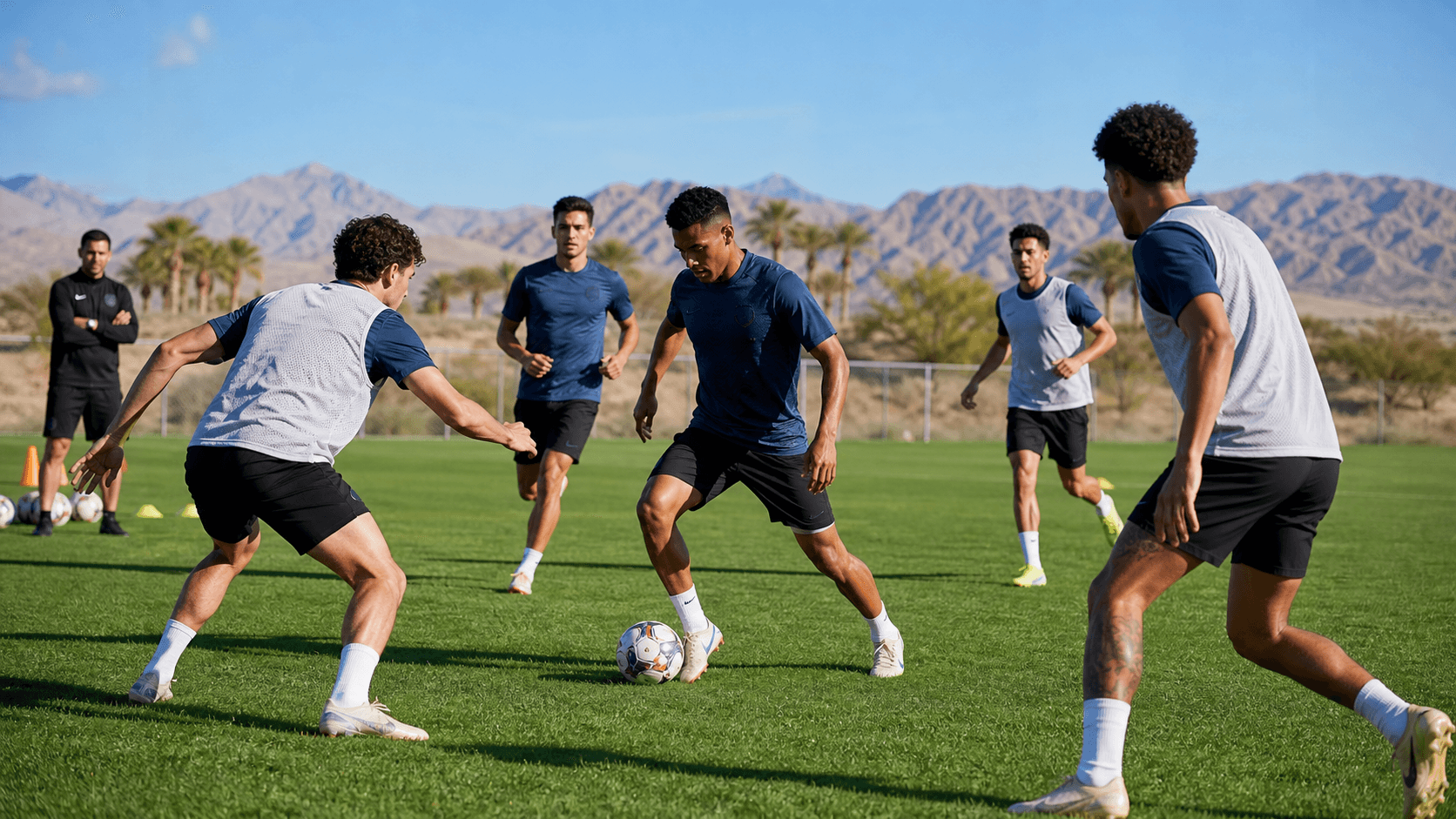
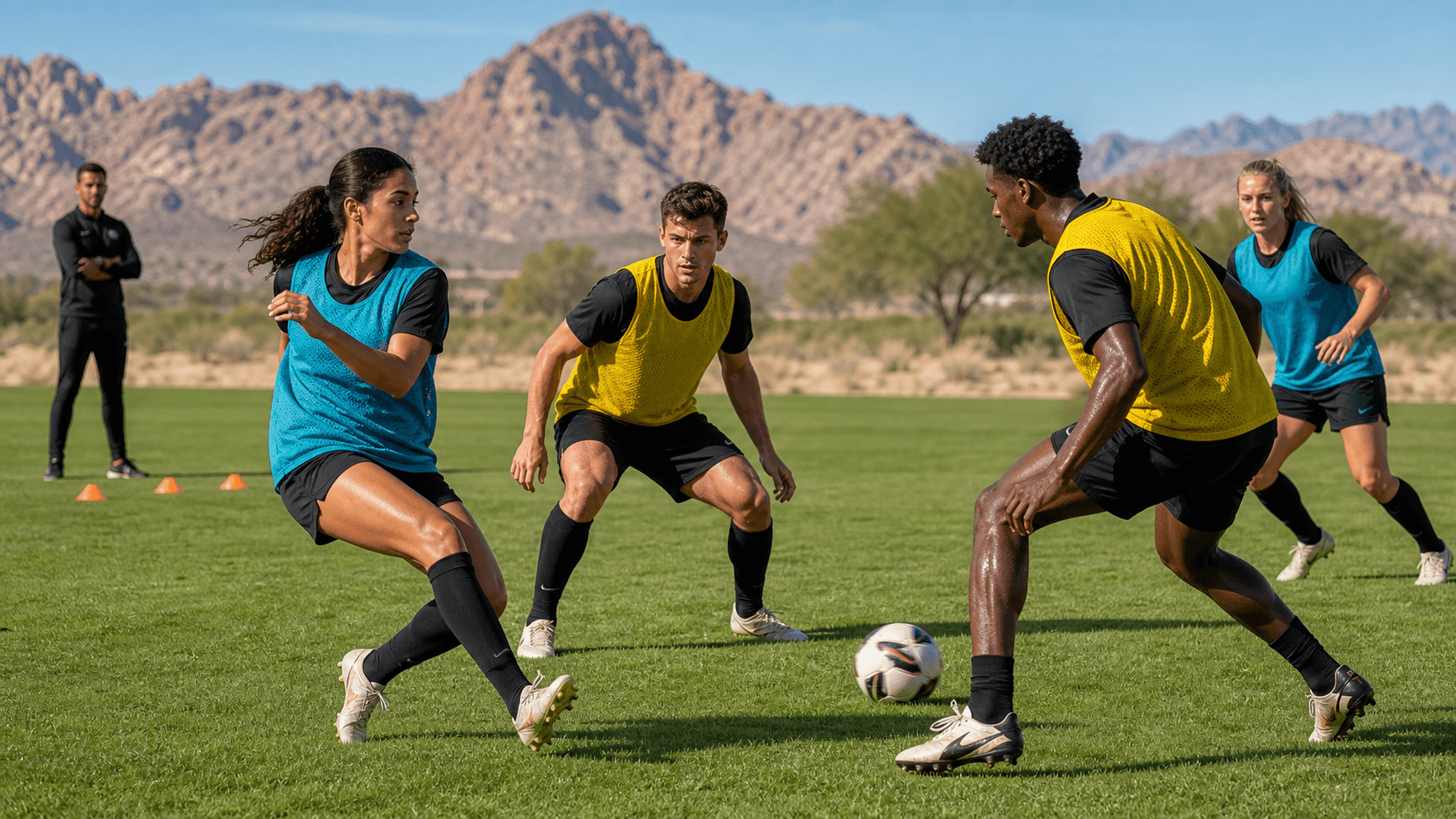
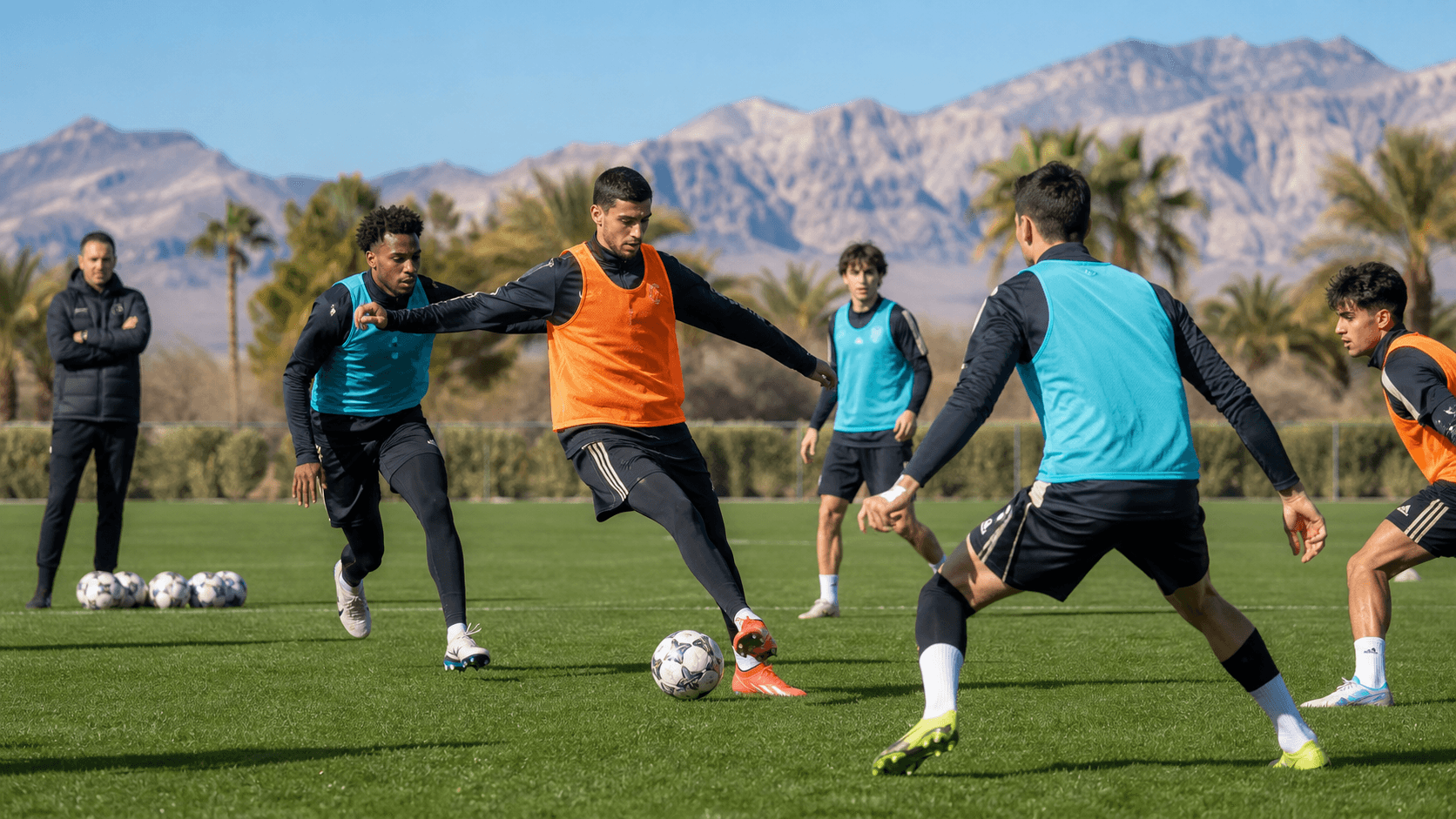
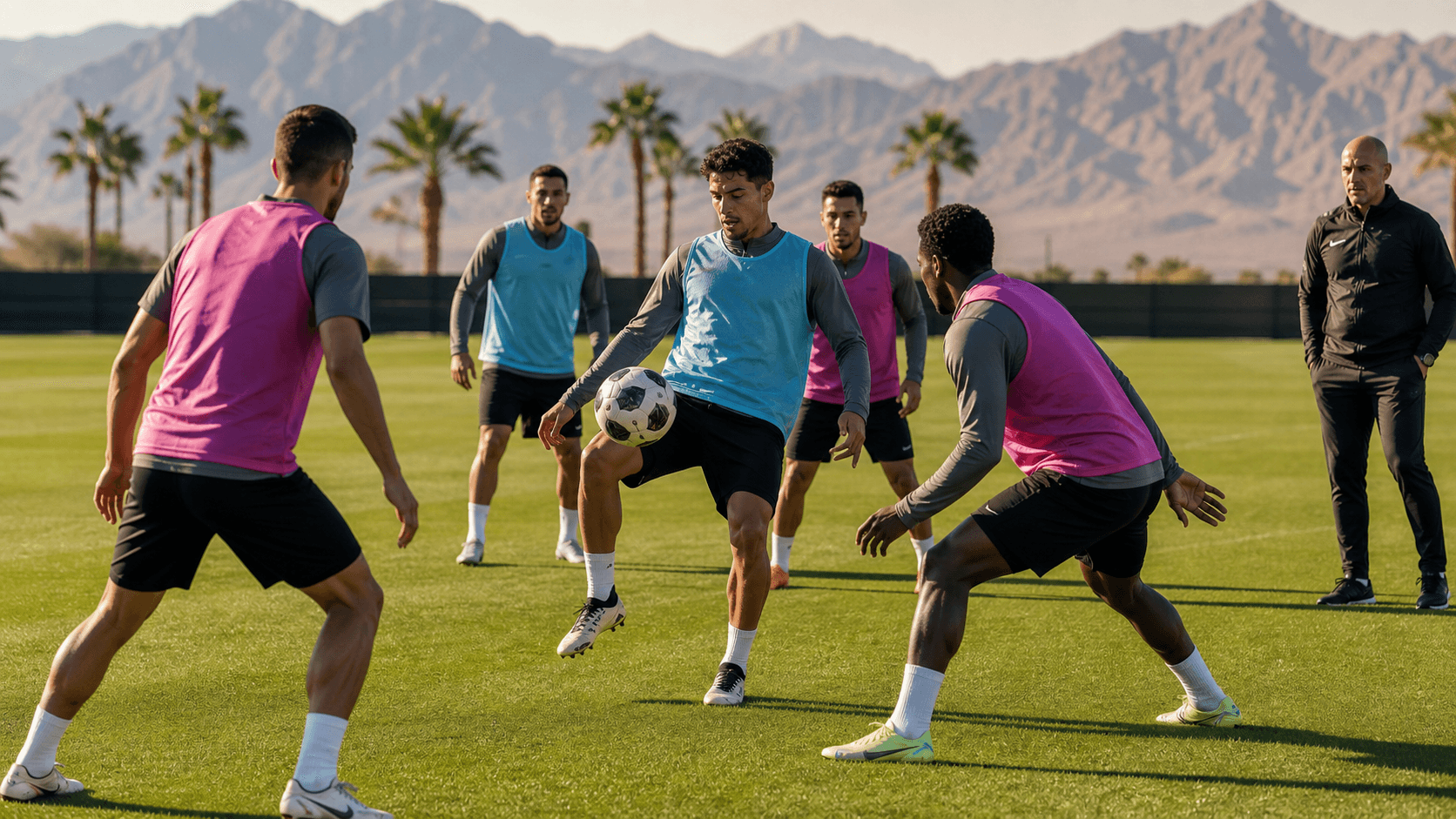
Fall soccer camps can give young players much more than extra touches on the ball. The right training setting helps them connect those touches to real game moments, when they need to notice pressure, find space, see teammates, and react to opponents.
From a parent's point of view, repetition matters, but repetition alone is not the full picture. A player can pass through cones all day and still struggle in a match if they do not understand what to do, when to do it, and why one choice works better than another. At Las Vegas Soccer Camps, powered by European Football Training, we focus on long-term development through technical mastery, tactical awareness, realistic game application, confidence, and healthy competition.
Fall Soccer Camps in Las Vegas Create Training Rhythm
The back-to-school season often brings more structure to a player's week. That makes fall a useful time to build consistent soccer habits instead of relying only on occasional team practices or unstructured play with friends.
In our fall soccer camps in Las Vegas, we work on the core skills every player needs, including receiving, passing, dribbling, turning, finishing, and defending. Still, we do not treat those skills as separate tricks. A good first touch should help a player move away from pressure. A pass should have a purpose. A turn should help create the next action.
Players need different types of challenges depending on where they are in their development. For example:
- Younger players may need more comfort on the ball and confidence in 1v1 situations.
- Developing players may need help seeing teammates and recognizing open space.
- More experienced players may benefit from quicker decisions and demanding game scenarios.
- Every player can benefit from learning how to recover after a mistake and stay involved.
Rather than putting every participant through the same generic session, we adjust coaching around age, level, and individual needs. One player may be ready to work on playing forward more often, while another may first need to feel secure receiving the ball under pressure.
Technique Becomes Decision-Making in Real Game Contexts
There is a big difference between performing a skill in a line and using it during a match. A player may know how to make a move, hit a pass, or turn with the ball. The harder part is recognizing the right moment to use that skill when a defender is closing in and the game is moving quickly.
Our development progression follows a clear path: technique, tactical awareness, game application, and competition. Each stage supports the next. We want players to build the skill, understand the situation, use the skill in a realistic setting, and then test it during competitive play.
Consider receiving with an open body shape. First, we can teach a player how to position their body and control the ball. Next, we help them understand when that shape allows them to see more of the field and play forward. Then, in a small-sided game, they must decide whether to turn, pass, protect the ball, or play back when pressure changes.
This way of thinking is common in respected football cultures around the world. Coaching ideas from Spain, the Netherlands, Germany, Croatia, Italy, Portugal, France, and Brazil often value players who can solve problems instead of waiting for every answer from the sideline. We apply those useful principles thoughtfully for youth players in Las Vegas, helping them become more aware, adaptable, and comfortable making decisions.
Small-Group Training Builds Personal Growth and Match Confidence
Smaller training groups give us a better view of the whole player. Completing a drill is only one part of the picture. We can also watch how a player scans before receiving, reacts to pressure, uses body position, moves off the ball, communicates, and responds when a play does not go as planned.
That kind of attention leads to clearer feedback. Broad instructions such as "play faster" or "work harder" may sound helpful, but they do not always tell a player what to change. More personal coaching can point them toward a specific next step, such as:
- Using the weaker foot with more purpose.
- Receiving the ball farther from a defender.
- Staying patient instead of diving in while defending.
- Looking for passing lanes before the ball arrives.
- Taking more responsibility when facing a defender.
Player development does not look identical for everyone. Some players show technical progress first. Others begin to stand out because they are calmer under pressure, more willing to communicate, or better at reading the game. We recognize that growth happens at different rates, and we coach each player toward the next appropriate challenge.
Confidence also grows from action, not just encouragement. When players face manageable challenges, receive useful feedback, and see themselves make smarter choices, they begin to trust their ability. Small-sided games are especially helpful because they create frequent moments to receive, defend, combine with teammates, attack space, and recover after mistakes.
Those repeated moments can prepare players for a faster or more physical team game. Camps and development training should support a player's team experience, not replace it. Our goal is to help players arrive at team practices more prepared to contribute, communicate, and understand their role.
Choose a Fall Plan That Fits Your Player
Before choosing a fall program, it helps to think about what your player needs most right now. Some children need stronger technical habits. Others need more confidence under pressure, better game understanding, or more individual feedback in a focused environment.
We recommend looking beyond the number of activities listed on a camp schedule. Ask how players are grouped, whether the coaching changes based on age and level, and whether training includes realistic game situations. It is also worth asking if feedback connects a player's technique to the decisions they make in competition.
Fall camps and clinics, small-group development training, and private training can each serve a different purpose when individualized attention is appropriate. The best choice is the one that gives your player a clear challenge, useful guidance, and room to grow steadily through the fall season.
Build Smarter Habits for the Season Ahead
At Las Vegas Soccer Camps, we help players develop the technical confidence and game understanding they can carry into team training and match play. Review our fall soccer camps in Las Vegas to find a structured environment built around age-appropriate coaching and meaningful game situations. If you have questions about the right fit for your player, contact us and our team will help you consider the available options.