A Better Spring Break Can Build Smarter Soccer Habits
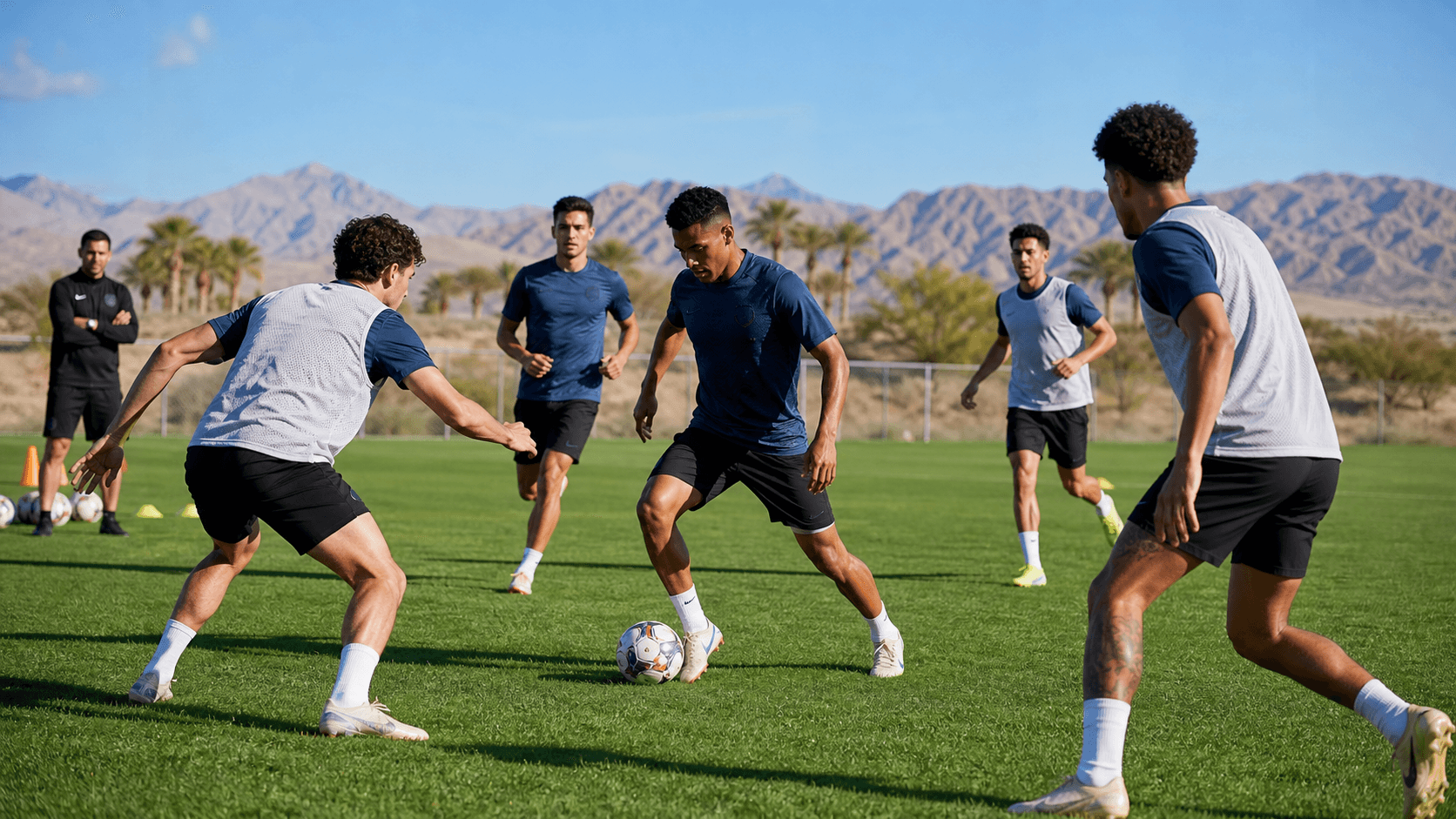
A school break can be more than childcare or a way to keep your player busy. When training has a clear purpose, a spring break soccer camp in Las Vegas can help young players build habits they can carry back to team practices and matches.
At Las Vegas Soccer Camps, we encourage parents to look beyond the number of field hours. The bigger question is what players are learning during those hours. Strong camp experiences combine technical work, decision-making, game awareness, and realistic competition. General day camps can be fun and active, but development-focused soccer training has a different goal: helping players understand what to do, when to do it, and why it matters.
Not Every Day Camp Creates the Same Learning Environment
Many general day camps provide a positive place for kids to move, make friends, and try different sports or games. That can be a great fit for families who want variety during school breaks. Still, soccer may be only one activity among many, which can limit the time a player spends learning soccer-specific skills.
A player might run, play games, and touch the ball often without receiving much correction on how to receive, pass, dribble, turn, finish, or defend. Activity matters, but purposeful coaching is what helps a player improve.
In our development-focused camp environment, we connect skills to the moments players see in real matches. Rather than sending every child through the same drill, we consider age, level, confidence, and individual needs. That helps us create the right kind of challenge.
Players should have opportunities to work on:
- First touches that prepare the next action
- Passing and receiving under different kinds of pressure
- Dribbling, turning, shielding, and changing direction
- Finishing and defending in realistic situations
Our European-inspired approach brings technical quality and game understanding together. A player does not only need to know how to make a pass. They also need to recognize where the space is, whether a teammate is available, and how quickly the decision needs to happen.
Small Groups Turn Repetition Into Useful Soccer Skills
Repetition is part of soccer development, but repetition by itself is not enough. A player can repeat the same passing pattern many times and still struggle in a match if they do not learn to scan, adjust their body shape, or recognize pressure.
Useful repetition includes feedback and growing levels of challenge. After a player learns the basic movement, we can add pressure, direction, defenders, time limits, or decision-making choices. That is how a simple skill starts becoming a game skill.
Small-group training gives us more room to notice details. With fewer players, coaches can better observe each player's technique, offer individual feedback, and adjust activities when a player needs more support or a tougher challenge. Players also tend to get more meaningful touches on the ball and more chances to make decisions.
Our training philosophy is influenced by player-development ideas found across football cultures in Spain, the Netherlands, Germany, Portugal, Croatia, Italy, France, and Brazil. Those environments often value comfort on the ball, awareness of space, creativity, and intelligent choices. We apply those educational ideas in ways that fit youth players in Las Vegas.
The progression matters:
- Technique, learning how to execute the skill
- Tactical awareness, recognizing the situation
- Game application, using the skill in a realistic moment
- Competition, applying learning under pressure
A player needs the ability to perform a skill, but they also need to recognize the right moment to use it.
Game Context Teaches Players When and Why to Act
Dribbling through cones can help a player practice control, but cones do not move, close space, or take the ball away. In a match, a player must decide whether to dribble, pass, shield, turn, or play quickly. That decision is often the hard part.
For that reason, we believe camp sessions should include realistic soccer problems. Small-sided games, directional activities, transition moments, and competitive scenarios can help players learn how to scan before receiving the ball, support teammates, defend space, and react when possession changes.
Thoughtful coaching also sounds different from simply saying, "Move faster" or "Try harder." We guide players with questions that help them think:
- Where was the space?
- What did you see before receiving the ball?
- Could you turn, or was pressure too close?
- Was a teammate available for the next pass?
Questions like these help players become more independent. They start to notice patterns, make choices with more confidence, and understand their role in the game. A focused spring break soccer camp in Las Vegas can give players time to sharpen those habits, especially when each session builds toward game application instead of ending with unstructured play.
Choose a Camp That Matches Your Player's Needs
Before enrolling, we recommend asking practical questions about how a camp is coached. A good program should be able to explain how players learn, not just list the hours on the schedule.
Consider asking whether the camp:
- Groups players by age and level when possible
- Provides individual coaching feedback
- Includes ball mastery and decision-making work
- Uses game-like activities, not only isolated drills
- Gives players appropriate challenges for their current stage
Your child's needs should guide the decision. A newer player may benefit from confidence-building technical foundations and plenty of time on the ball. A more experienced player may need faster decisions, better first touches under pressure, improved awareness, or a stronger understanding of team play.
The best program is not always the most intense one. It is the one where your player is seen, challenged appropriately, and coached with clear purpose. Since school-break calendars fill quickly, fall is a useful time to begin considering spring opportunities. Dates, locations, and camp formats can change, so families should confirm current school-break camp and clinic availability before making plans.
For players who want support beyond one week, continued small-group training, private training, summer camps, or European training experiences may also fit into a long-term development plan.
Turn a School Break Into a Development Step
The right camp can help a player return to team training with stronger technical habits, more confidence on the ball, and a clearer understanding of the game. No single week promises instant results, but purposeful coaching can create a stronger foundation for the next practice, the next match, and the next stage of development.
When you compare camp options, focus on the learning environment your player will experience. Look for technical instruction, smart questions, meaningful repetition, and games that teach players how to apply their skills when the action becomes real.
Build Confidence Through Purposeful Training
At Las Vegas Soccer Camps, we group players thoughtfully and coach each session around age, level, and individual needs. See upcoming options for a spring break soccer camp in Las Vegas that helps players connect technical skill with confident decisions in realistic game situations. If you have questions about the right fit for your player, contact us and our team will help you choose a program.