Small-group soccer training can give your child more meaningful touches, clearer feedback, and more chances to learn in realistic game situations. It is not automatically the best choice for every player, but it can be a strong fit when a child needs focused help with ball control, confidence, decision-making, or a specific part of the game.
At Las Vegas Soccer Camps, powered by European Football Training (EFT), we look beyond group size alone. Good development depends on the coach, the environment, and whether the activities match your child's age, experience, and current needs. As the fall season gets underway, the first weeks of team play can also help you see where your child may benefit from extra support.
What Small Groups Change on the Field
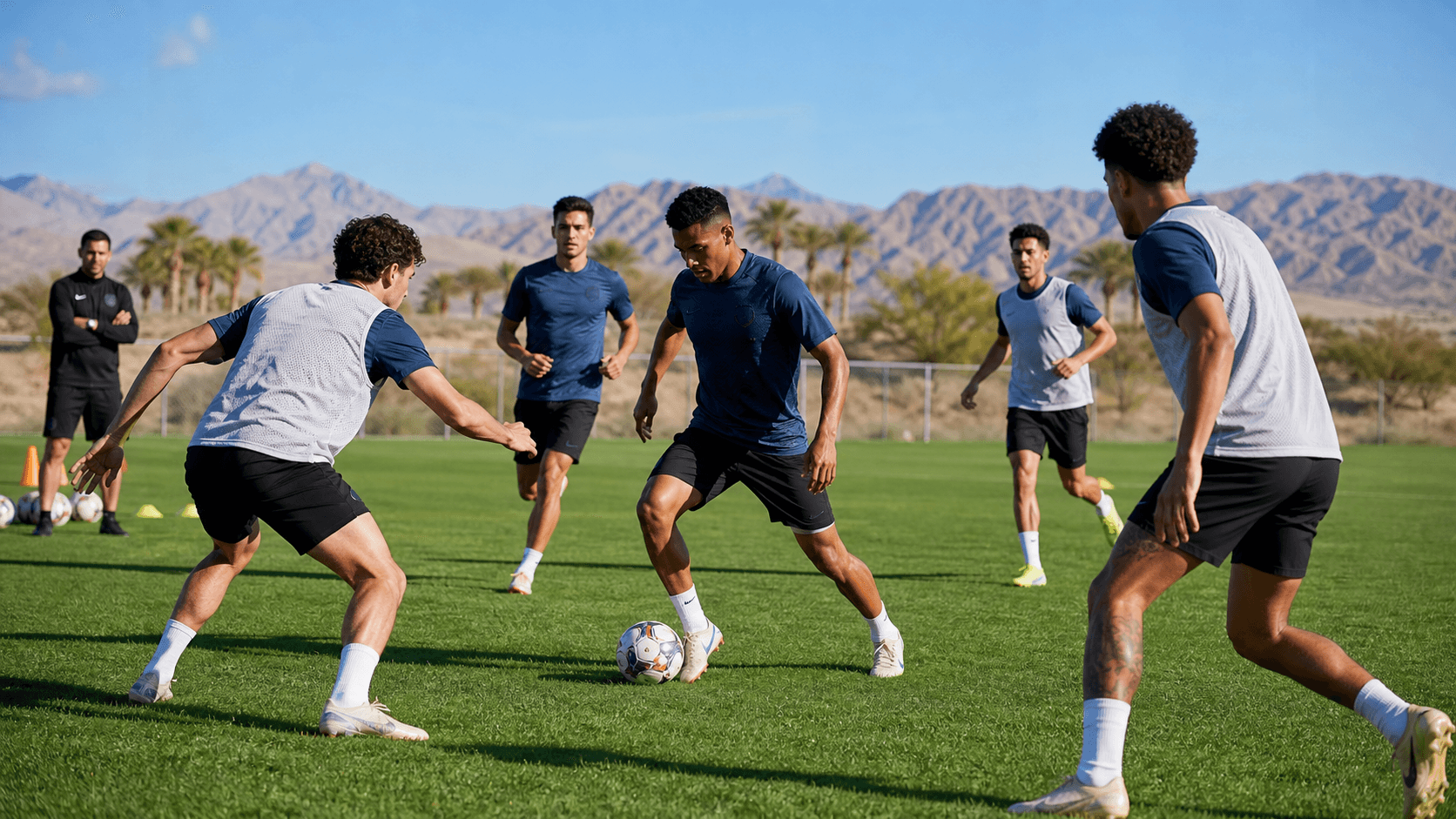
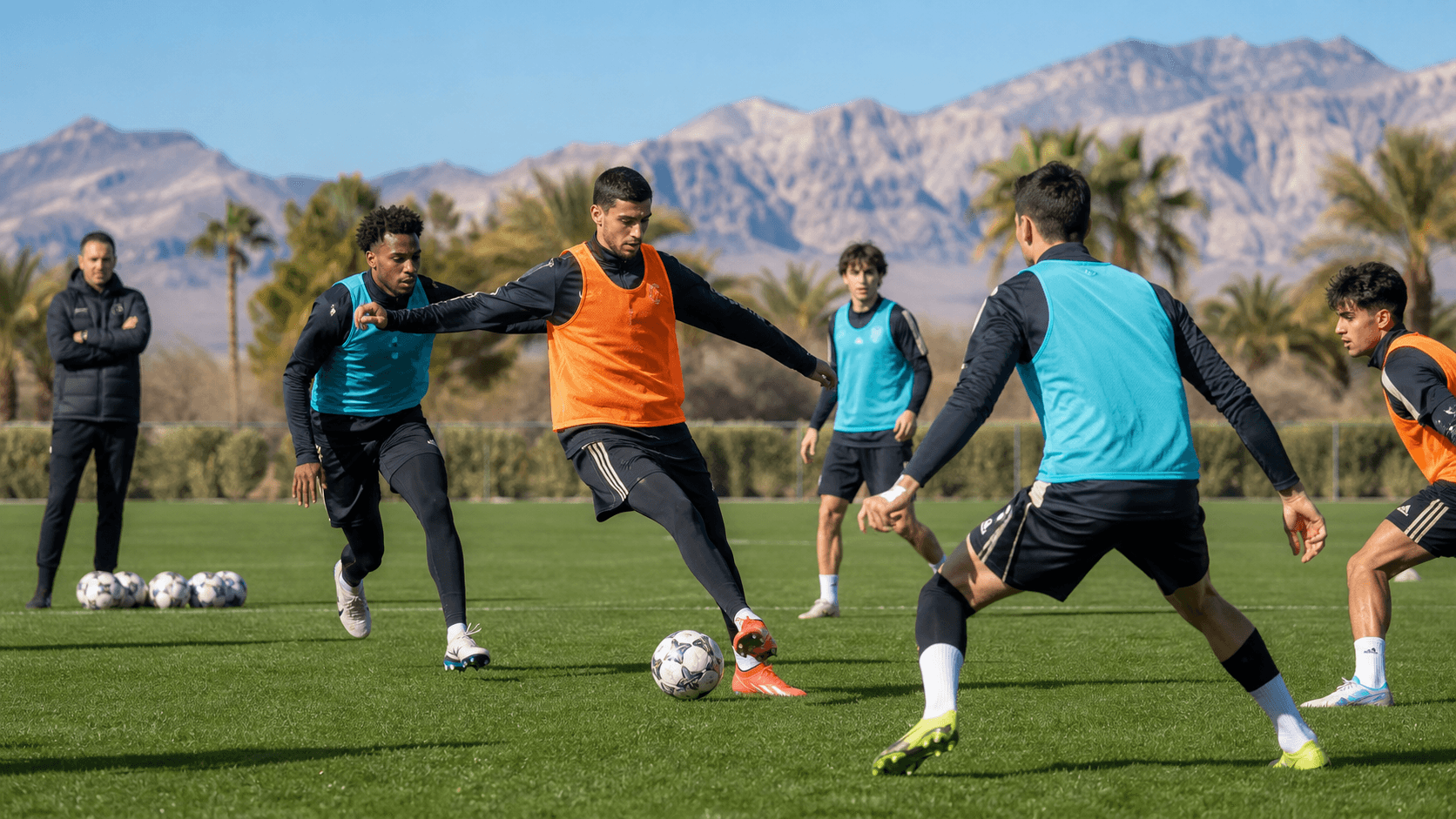
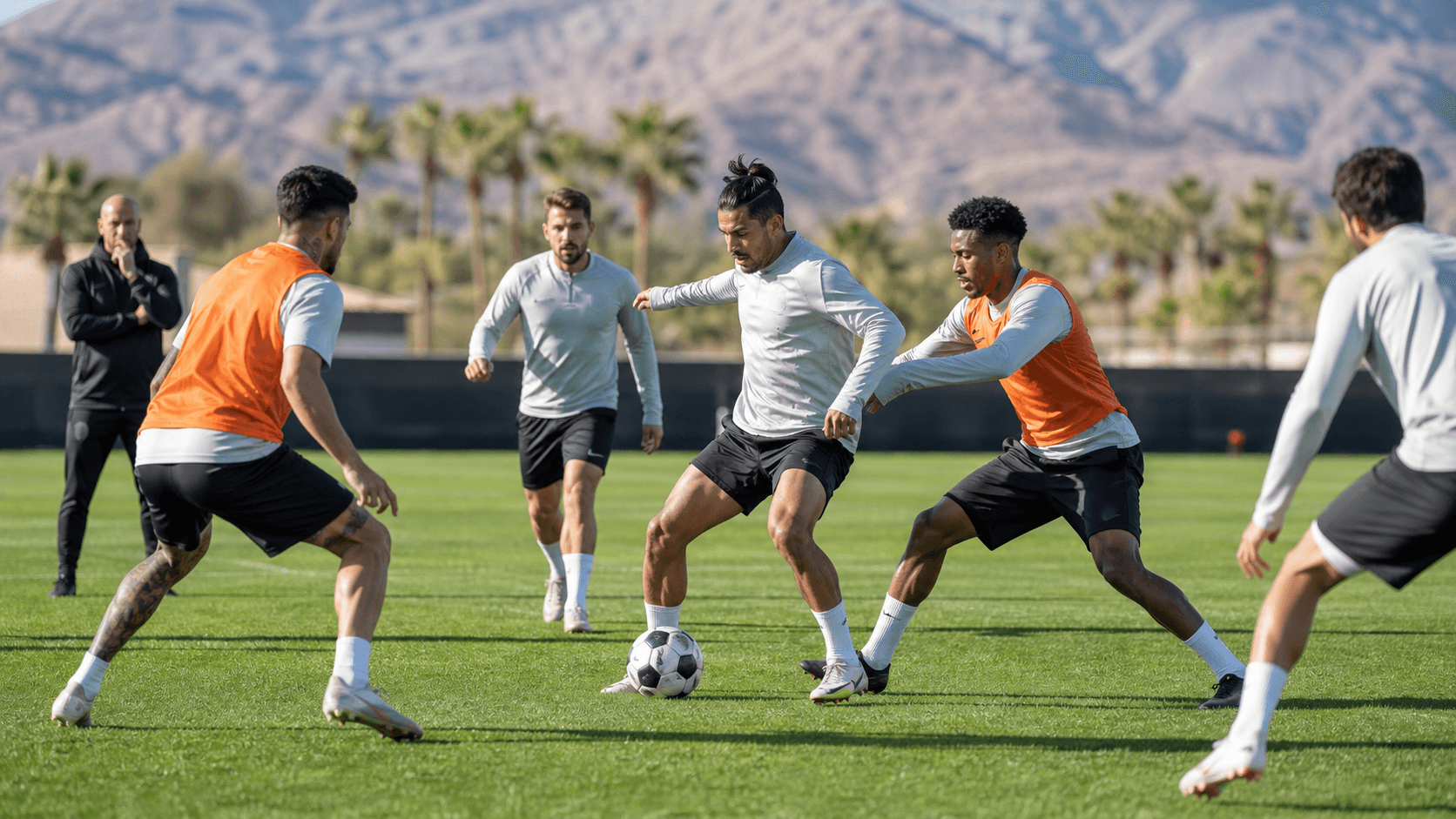
Fewer players can mean more opportunities to work. In quality soccer training for kids in Las Vegas, a small-group setting gives each player more time with the ball and gives us more chances to watch how they receive, pass, dribble, defend, and react when the play changes.
Still, activity by itself is not the goal. A player can take many touches without learning much if nobody explains what to improve or why it matters. Purposeful repetitions and specific feedback are what make those touches count.
In a smaller setting, we can coach the individual while keeping the group connected. One child may need to use their weaker foot with more confidence. Another may need to scan before receiving a pass. Someone else may need help reacting quickly after losing possession.
Strong sessions should not feel like players are standing in lines waiting for their turn. Soccer is a teammate-and-opponent game, so training needs interaction, pressure, space, and choices. We often build sessions in a natural progression:
- First, players learn the technique, such as a turn, pass, first touch, or dribbling move.
- Next, they learn the tactical idea, including when the action makes sense.
- Then, they apply it in a realistic activity with teammates and defenders.
- Finally, they compete in small-sided games where decisions happen quickly.
That progression helps a player understand more than how to perform a skill. They begin to recognize when and why to use it.
Coaching Should Match Your Child
A newer player may need a comfortable space to try skills, make mistakes, and build confidence on the ball. A more experienced player may need faster decisions, tighter spaces, and tougher game problems. Neither player should feel lost in the session, and neither should feel like the work is too easy.
Our European Football Training approach is built around age-appropriate, individual development. Rather than moving every child through the same generic drill in the same way, we adjust the challenge and coaching points for the player in front of us.
Technical practice matters. First touch, passing, dribbling, finishing, and ball mastery all need attention. But isolated practice is only one piece of player development. If a child learns a clean pass without learning where to look, when to release the ball, or how to react after passing, that technique may not carry into a match.
European football cultures offer useful ideas, not magic shortcuts. Spanish and Dutch development environments are often associated with possession, positioning, and awareness. German and French methods may place attention on intensity, transition moments, and athletic development. Brazilian football is widely connected with creativity and comfort on the ball. We study ideas from successful international development environments and apply them thoughtfully to young players in Las Vegas.
When Small-Group Training Can Help
Extra training is not required for every child who plays soccer. Team practices, rest, school responsibilities, family time, and unstructured play all have value. Yet small-group development can be helpful when a player enjoys the sport and wants more focused guidance.
You may want to consider this format if your child:
- Gets limited touches during regular team practices or games.
- Wants more confidence receiving, dribbling, passing, or defending.
- Is preparing for a new season or adjusting to a higher level of play.
- Needs support with specific habits, such as scanning or using the weaker foot.
- Wants more game-like repetition without losing the social side of soccer.
Sometimes a player's challenge is not one single skill. For example, a child who struggles to keep possession may need a better first touch, stronger body position, earlier scanning, and awareness of nearby defenders. Those pieces work together. We can connect them through realistic activities instead of asking players to repeat a move without pressure or purpose.
Early fall is a useful time to notice these needs. After a few weeks of team play, you may see whether your child is comfortable receiving the ball, willing to defend, able to make choices quickly, or confident enough to try something new in a match. A focused block during the season or over a school break can support that growth without replacing regular team training.
Small Groups, Private Training, and Camps
Each training format can serve a different purpose. Small-group sessions combine individual attention with the teammate interaction that makes soccer what it is. Players still need to communicate, find space, deal with pressure, and make decisions around others.
Private training can be useful when a child has a very specific development goal. A player might want focused help refining a technical action, rebuilding confidence after time away, or improving one area that needs extra attention. Even then, the work should connect back to the game. A skill practiced one-on-one must eventually work with opponents, teammates, time pressure, and changing situations.
Camps, clinics, and school-break programs create another kind of learning opportunity. They can give players concentrated time to train, play, and experience different activities. Through our summer camps, school-break camps and clinics, small-group training, private training, and European training experiences, we help families choose a format that fits a player's schedule and current goals.
Choosing a Development Setting This Fall
Before enrolling, we recommend asking how players are grouped, how coaches adjust instruction for different levels, and whether sessions include both technical work and small-sided games. It is also worth asking how your child will receive feedback. Those answers can tell you whether a program is designed for meaningful soccer development or simply for more training hours.
Progress does not always show up right away in goals, wins, or a new position on the field. Watch for a child who is more comfortable on the ball, sees options earlier, makes better choices, tries new actions, and stays confident when a play does not go perfectly. The right setting is the one that gives your child an appropriate challenge, useful coaching, and a reason to keep enjoying the game.
Build Skills That Transfer to the Game
At Las Vegas Soccer Camps, we help players develop technical confidence, awareness, and decision-making through age-appropriate coaching and realistic soccer situations. Explore our soccer training for kids in Las Vegas to find camps and clinics that support meaningful development. If you have questions about the right fit for your child, contact us and our team will be glad to help.