See Why Game Context Builds Smarter Soccer Players
Parents often ask us why a player can perform a move perfectly in a line drill but struggle to use it in a match. The answer is simple: soccer is not only about performing a technique. Players must notice space, pressure, teammates, opponents, and the next best action, often in just a few seconds.
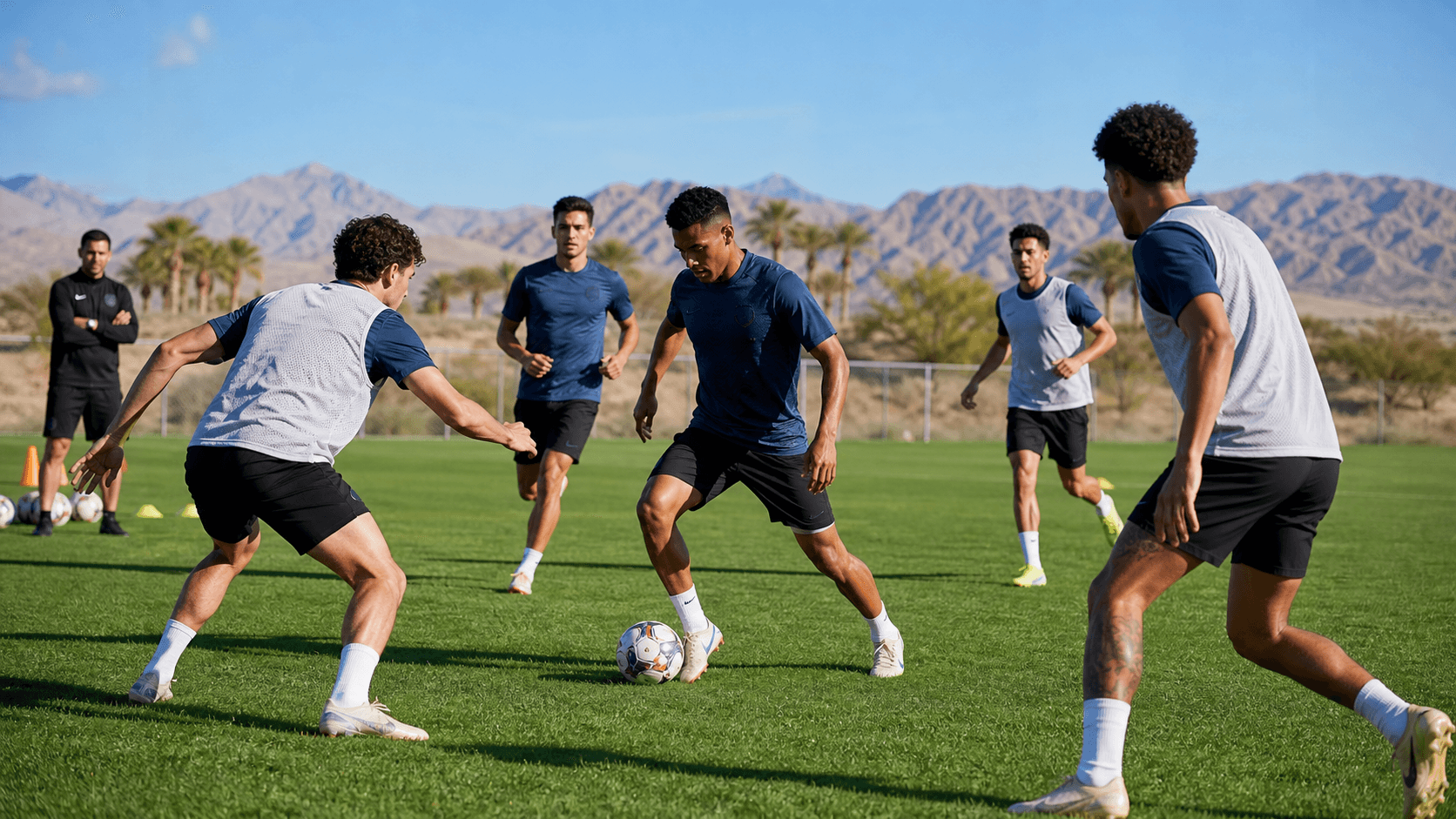
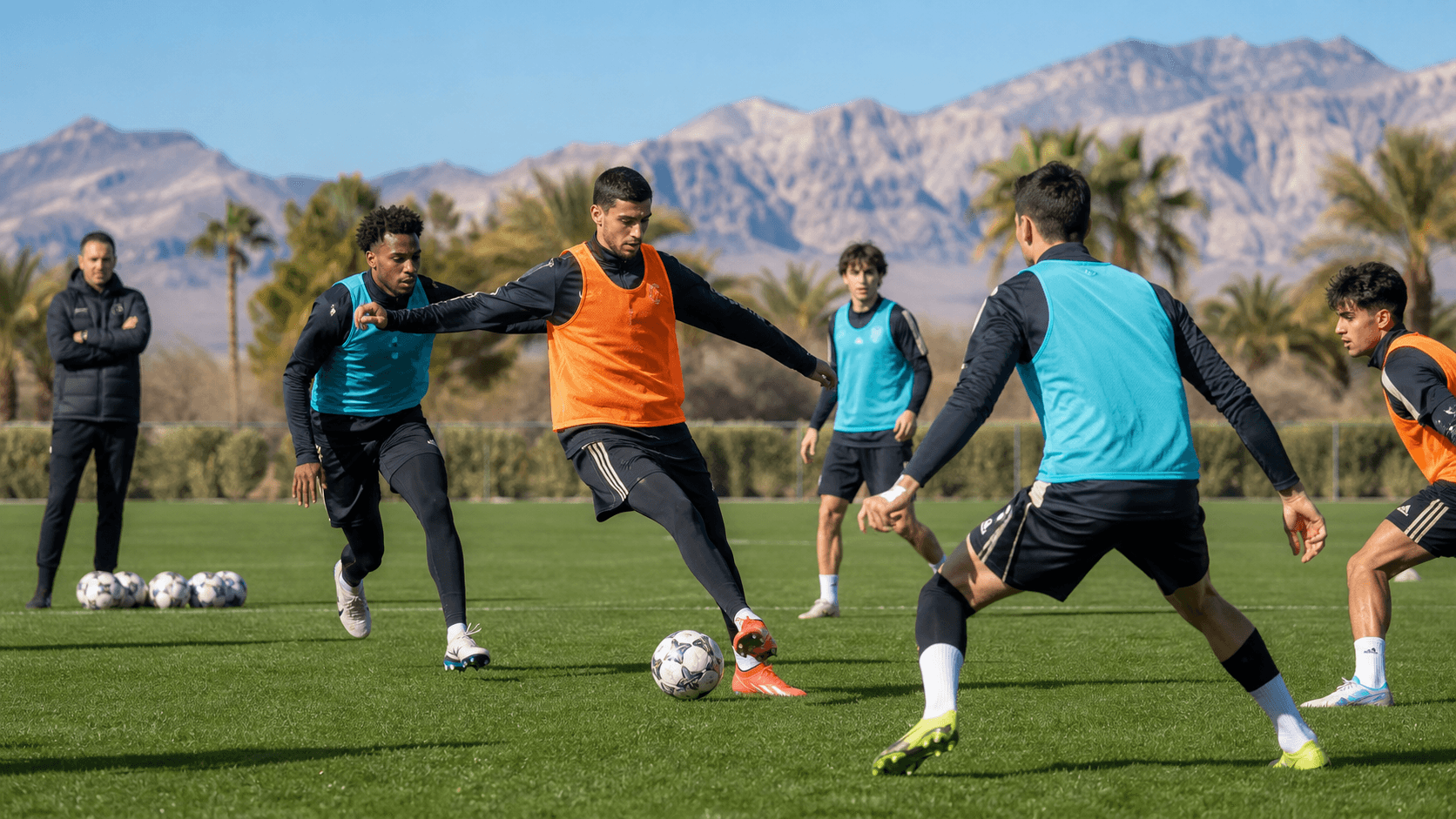
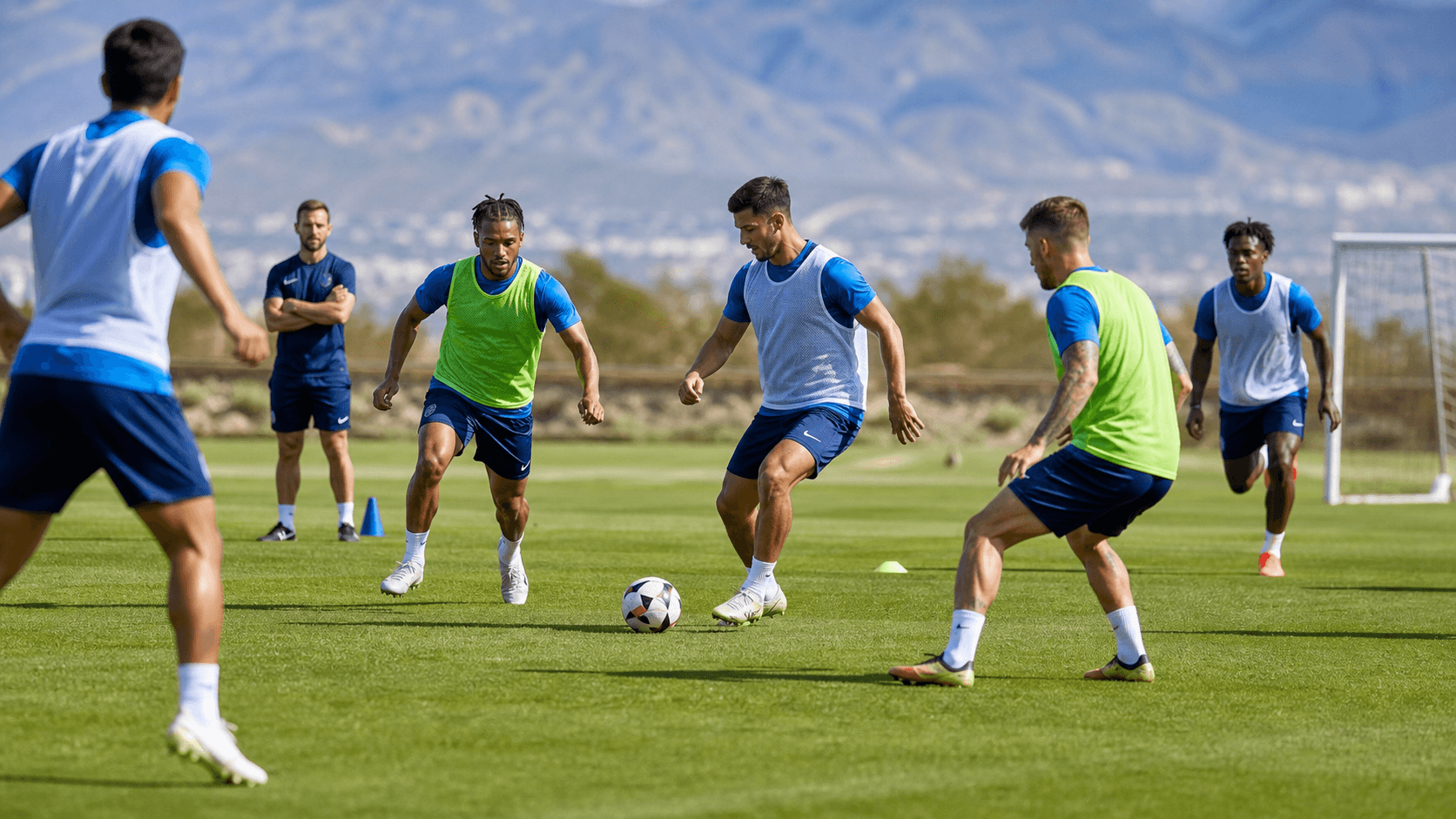
Our European-inspired approach connects skill work to real decisions. European soccer training in Las Vegas should help players understand what to do, when to do it, and why that choice fits the moment. Through age-appropriate coaching, small groups, realistic activities, and progressive competition, we help players build confidence and game understanding over time.
Technique Becomes Useful When Players Face Real Choices
Technical mastery matters. First touch, passing, receiving, dribbling, turning, ball protection, finishing, and movement give players the tools to play. Still, repeating those skills without pressure or purpose can only take a player so far.
A first touch changes depending on the situation. Receiving with an opponent close behind may call for a protected touch. Receiving near the sideline may require a touch inside. A player who sees open space ahead may push the ball forward and attack. The technique is connected to the picture in front of them.
The same is true for passing. A pass may look clean, but it can be risky if a teammate is marked or if defenders are ready to intercept. Players learn to read:
- Where pressure is coming from
- Which teammate has space
- Whether to play forward, sideways, or backward
- How quickly the next action needs to happen
In our EFT training, we introduce a skill, add a realistic decision around it, and then give players the chance to test it in competitive play. That progression helps young players carry lessons from training into actual matches instead of leaving them behind on the practice field.
Small Group Training Makes Coaching More Personal
Every player arrives with a different starting point. Age, experience, confidence, physical maturity, and current technical needs all matter. A younger player learning how to receive the ball should not be coached exactly like a more experienced player learning to make faster decisions under pressure.
Small-group soccer training gives us more chances to see how each player responds. With fewer players involved, there can be more meaningful touches, more repetitions, and more coaching moments that connect directly to the player's needs. We can notice whether a player sees an option, communicates with teammates, protects the ball, or rushes a decision.
Personalized coaching does not mean players only repeat individual drills. Soccer is a team game, so players need teammates and opponents to understand it fully. In small groups, we can work on:
- Support angles and communication
- Pressing and defending as a unit
- Combination play and movement off the ball
- Transitions after winning or losing possession
Private training can be helpful when a player needs focused work on a specific technical area. Small-group sessions add something different: real game interaction. That is where players learn how their choices affect the people around them.
European Soccer Training in Las Vegas Builds Game Understanding
European player development is not one single system. Football cultures in Spain, Italy, Croatia, Germany, France, the Netherlands, Portugal, and Brazil each have their own traditions and teaching ideas. Still, many respected development environments value technically confident players who can read the game and make decisions under pressure.
Spain is often linked with possession, positional relationships, and quick combinations. Germany is frequently recognized for purposeful intensity and quick transition moments. Italy provides useful lessons in defensive awareness and tactical organization. Portugal, Croatia, Brazil, France, and the Netherlands offer perspectives on creativity, technical confidence, individual development, and intelligent movement.
We do not believe young players in Las Vegas need a copied version of a foreign academy setting. Instead, our European soccer training in Las Vegas adapts useful ideas to the player in front of us. The goal is not to make every child play the same way. The goal is to help each player become more aware, composed, and confident in realistic match situations.
That means asking helpful questions during training. What did you see? Where was the pressure? Could you create a better angle? Why was that pass the right choice? Over time, players begin to answer those questions on the field for themselves.
Practice Must Progress From Decisions to Competition
A quality development environment connects technique, tactical awareness, game application, and competition. These parts should support one another, not feel like separate activities. Technical work gives players options. Tactical awareness helps them recognize which option fits. Game application lets them practice that choice, and competition tests whether they can use it under pressure.
Realistic activities may include tight spaces, directional goals, numerical advantages or disadvantages, and quick reactions after the ball changes hands. Players may have limited time to decide, which teaches them to scan, stay calm, and adapt.
Competition should have a purpose beyond being the final scrimmage. We use game-based moments to see whether players can apply the day's learning while handling mistakes, fatigue, pressure, and changing situations. Rather than waiting for constant instructions, players learn to solve problems. That process builds confidence because they begin to trust their own understanding of the game.
Choose the Next Development Step for Your Player
As fall routines begin in September, consider what your player needs most right now. Some players need more technical repetition. Others need confidence on the ball, quicker decisions, better understanding of team play, or more experience in realistic competitive situations.
We recommend choosing training that matches the player's current stage, not simply the busiest schedule or the largest group. Small-group development training, private training, school-break clinics, and future camp opportunities can each serve a different purpose. A consistent plan that complements the team season gives players time to practice, reflect, and improve without rushing their development.
Build Better Decisions in Real Game Situations
At Las Vegas Soccer Camps, we help players connect technical ability with the awareness and timing needed in match play. Learn more about European soccer training in Las Vegas designed around small-group coaching, realistic game scenarios, and each player's stage of development. If you would like help choosing the right program, contact us to discuss your player's goals and current needs.